Unexpected injuries or illnesses can happen to anyone at any time. If your condition is expected to impact you for more than one week, Disability Services may be able to assist with short-term accommodations. Our goal is to help minimize temporary barriers and keep you connected to your coursework and campus life while you recover.
If you are unsure whether your situation qualifies or have questions about the process, please contact Disability Services. We are here to support you.
If Your Condition Will Impact You for More Than a Week
Examples of conditions that may qualify for temporary accommodations include:
- A concussion or head injury
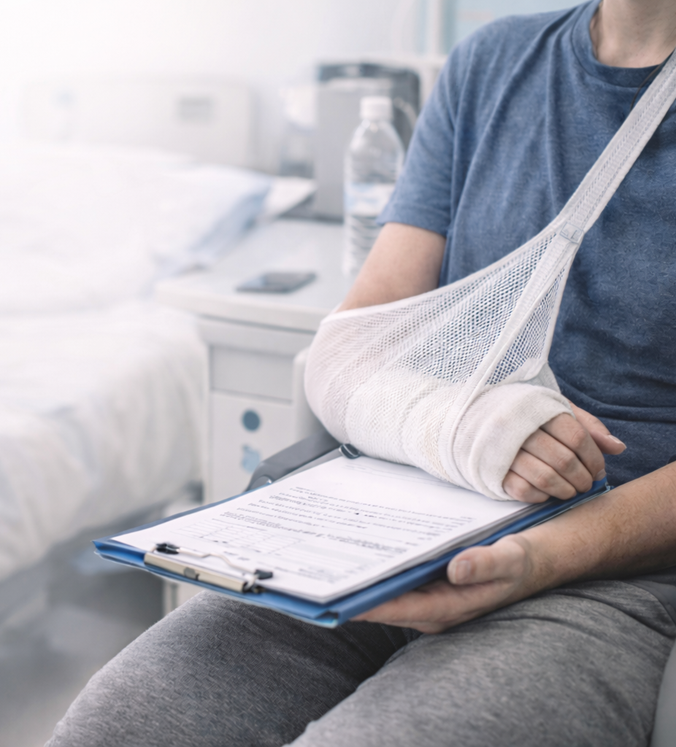
- A broken limb
- A surgical recovery or hospital stay
- Other medical conditions affecting your ability to attend class or complete academic tasks
To begin the process, you may either submit a Disability Documentation Form if you already know that accommodations will be helpful, or contact us by email if you are unsure whether accommodations are appropriate in your situation. Based on your needs, we may be able to provide short-term supports such as temporary exam accommodations, note-taking assistance, emergency accessible housing, or short-term equipment loans.
Please note: We are not able to assist with personal care tasks (such as laundry or meals), in-home medical care, or off-campus transportation. However, we can help refer you to other KAUST services that may be able to support you.
We encourage you to reach out as early as possible. It may take several days to review your request and coordinate support, so do not wait to get in touch.

If Your Condition Will Impact You for Less Than a Week
For short-term issues—such as a cold, flu, or mild injuries—we may not need to get formally involved. In these cases, we recommend the following strategies:
- Communicate directly with your instructors about missed class time, late assignments, or exams (see the email template below)
- Explore the option of an Incomplete Grade if your illness occurs late in the semester and you need more time to finish your coursework (see your Program Guide for more details)
- Use assistive technology tools—there are many free or low-cost options to support you in tasks such as taking notes or reading.
- Apply for a short-term Medical Leave, which formally documents the impact of your illness and protect your academic standing
Sample Email Template to Faculty
You may use or adapt the following email when communicating with your instructors:
Subject: Request for Flexibility Due to Temporary Medical Condition
Dear [Instructor's Name],
My name is [Your Name], and I am currently enrolled in your course, [Course Name], student ID [Student ID]. I am writing to inform you that I am experiencing symptoms related to a recent illness or injury, which are temporarily impacting my ability to [insert specific example: attend class, complete an assignment, take an exam, etc.].
I value this course and wish to remain engaged during my recovery. Based on my current situation, I anticipate these challenges will last approximately [insert timeframe]. If my condition persists beyond that, I will follow up with Student Affairs to explore additional support options.
Thank you for your understanding and any flexibility you may be able to offer. I remain committed to keeping up with the course and appreciate your support as I work through this temporary difficulty.
Sincerely,
[Your Name]